News
Time: 2026-08-20 01:50:39 Source: Luoyang Monton Bearing Science & Technology Co.,ltd.
In the broad field of mechanical engineering, spindle bearings undoubtedly serve as the core components that underpin the entire mechanical operation. They not only bear the loads during machine operation but also play a critical role in ensuring mechanical precision and reliability. With the continuous advancement of industrial automation and precision manufacturing, higher demands have been placed on the selection of spindle bearings. This article provides an in-depth discussion on how to select suitable spindle bearings, offering readers a comprehensive guide to make informed and accurate decisions when faced with complex and ever-changing industrial requirements.
I. Basic Types of Spindle Bearings
1.Deep Groove Ball Bearings: These bearings are widely used due to their simple structure and low cost. They are capable of withstanding radial loads but have limited capacity for axial loads. They are suitable for general machinery applications, such as small electric motors and general mechanical transmissions.
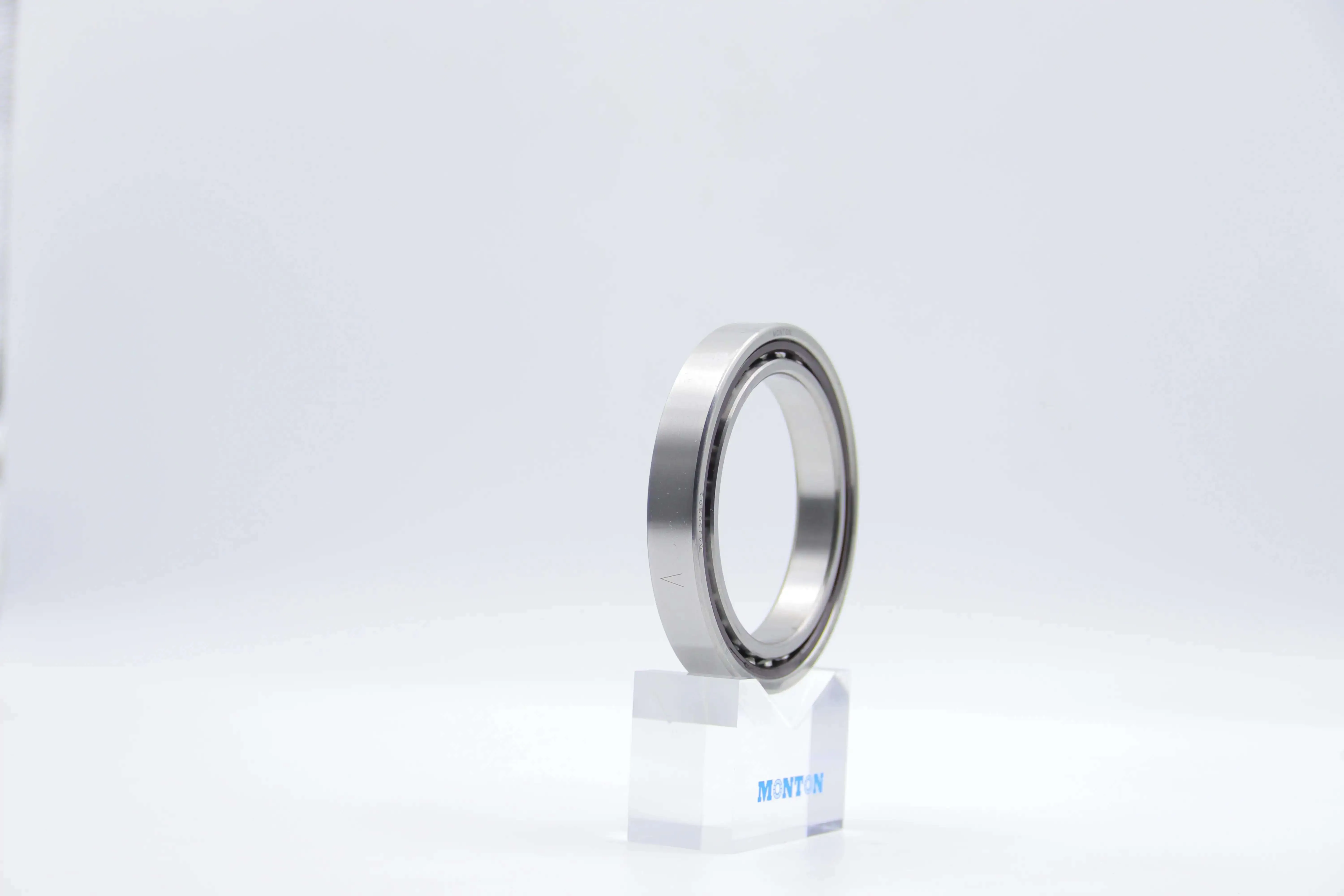
2.Angular Contact Ball Bearings: These bearings feature a larger contact angle, enabling them to sustain higher axial loads. They are typically used in applications requiring high precision and high rigidity, such as CNC machine tools and precision instruments.
3.Cylindrical Roller Bearings: With cylindrical rollers, these bearings are designed to carry heavy radial loads. They are suitable for heavy machinery and equipment that demand high load-carrying capacity.
4.Tapered Roller Bearings: Featuring tapered rollers, these bearings can support both heavy radial and axial loads. They are commonly employed in heavy machinery and high-precision equipment, such as large electric motors and rolling mills.
II. Bearing Dimensions and Specifications
The dimensions and specifications of bearings are critical factors to consider during selection. Choosing the appropriate size not only ensures the bearing's load capacity but also guarantees stable installation and reliable operation of the equipment.
1.Bore Diameter and Outside Diameter: The bore and outside diameters of the bearing must match the spindle diameter and the available mounting space. An undersized or oversized bore can adversely affect bearing stability and service life.
2.Width: The width of the bearing influences not only its load capacity but also its rigidity and friction coefficient. A wider bearing offers higher rigidity, but also increases friction, which may lead to higher energy consumption.
3.Precision Grade: The precision grade of a bearing determines its stability and accuracy during operation. Higher precision grades reduce vibration and noise, thereby extending the equipment's service life. Common precision grades include P0, P6, P5, and others.
III. Bearing Materials and Manufacturing Processes
The materials and manufacturing processes directly affect bearing performance and service life. Superior materials and advanced manufacturing techniques can enhance wear resistance, corrosion resistance, and fatigue strength.
1.Material Selection: Commonly used materials for bearings include high-carbon chromium bearing steel, stainless steel, and ceramics. High-carbon chromium bearing steel is widely adopted for its high hardness and excellent wear resistance. Stainless steel and ceramics are used in special environments due to their corrosion resistance and high-temperature performance.
2.Heat Treatment Processes: Heat treatment improves the hardness and wear resistance of bearings. Common processes include quenching, tempering, and others. These techniques significantly extend bearing service life.
3.Surface Treatment: Surface treatments enhance corrosion resistance and fatigue strength. Typical treatments include plating and coatings. For example, nickel plating improves corrosion resistance, while coatings can reduce friction and wear.
IV. Bearing Lubrication and Sealing
Lubrication and sealing are essential factors in ensuring normal operation and prolonging service life. Proper lubrication and sealing minimize wear and improve operational efficiency.
1.Lubrication Methods: Lubrication options include oil lubrication, grease lubrication, and solid lubrication. Oil lubrication is suitable for high-speed and high-temperature conditions, grease lubrication for low-speed and medium-temperature environments, and solid lubrication for special applications. Selecting the appropriate method reduces wear and extends bearing life.
2.Sealing Methods: Sealing can be contact-type or non-contact-type. Contact seals are used in high-speed, high-precision applications, while non-contact seals are suitable for general environments. The effectiveness of sealing directly affects bearing life and equipment efficiency.
V. Bearing Mounting and Maintenance
Proper mounting and maintenance are also important considerations when selecting bearings. Correct installation and regular upkeep ensure stability and longevity.
1.Mounting Methods: Mounting options include interference fit, transition fit, and clearance fit. Choosing the right fit ensures bearing stability and service life. Interference fits provide better support but are more difficult to install; transition and clearance fits are easier to mount but offer relatively less support.
2.Maintenance Requirements: Maintenance includes regular inspection, lubrication, and cleaning. Proper maintenance extends bearing life and reduces failure rates. Routine checks of operating conditions, timely replenishment of lubricants, and cleaning of bearing surfaces are essential measures.
VI. Comprehensive Consideration of Cost and Benefits
When selecting bearings, it is also necessary to evaluate overall cost and benefits. High-quality bearings may have a higher initial investment, but they can deliver long-term cost savings and performance improvements.
1.Initial Cost: Initial costs include purchase and installation expenses. Choosing cost-effective bearings can reduce upfront investment. However, considering service life and maintenance costs, initial cost is not the sole factor.
2.Operating Cost: Operating costs include maintenance and replacement expenses. Premium bearings reduce the frequency of maintenance and replacement, lowering operating costs. Therefore, long-term benefits should be considered when making a selection.
3.Benefit Enhancement: High-quality bearings improve operational efficiency and stability, thereby boosting overall productivity. For instance, high-precision bearings can reduce machine downtime and increase production efficiency; wear-resistant bearings lower maintenance costs and reduce production expenses.